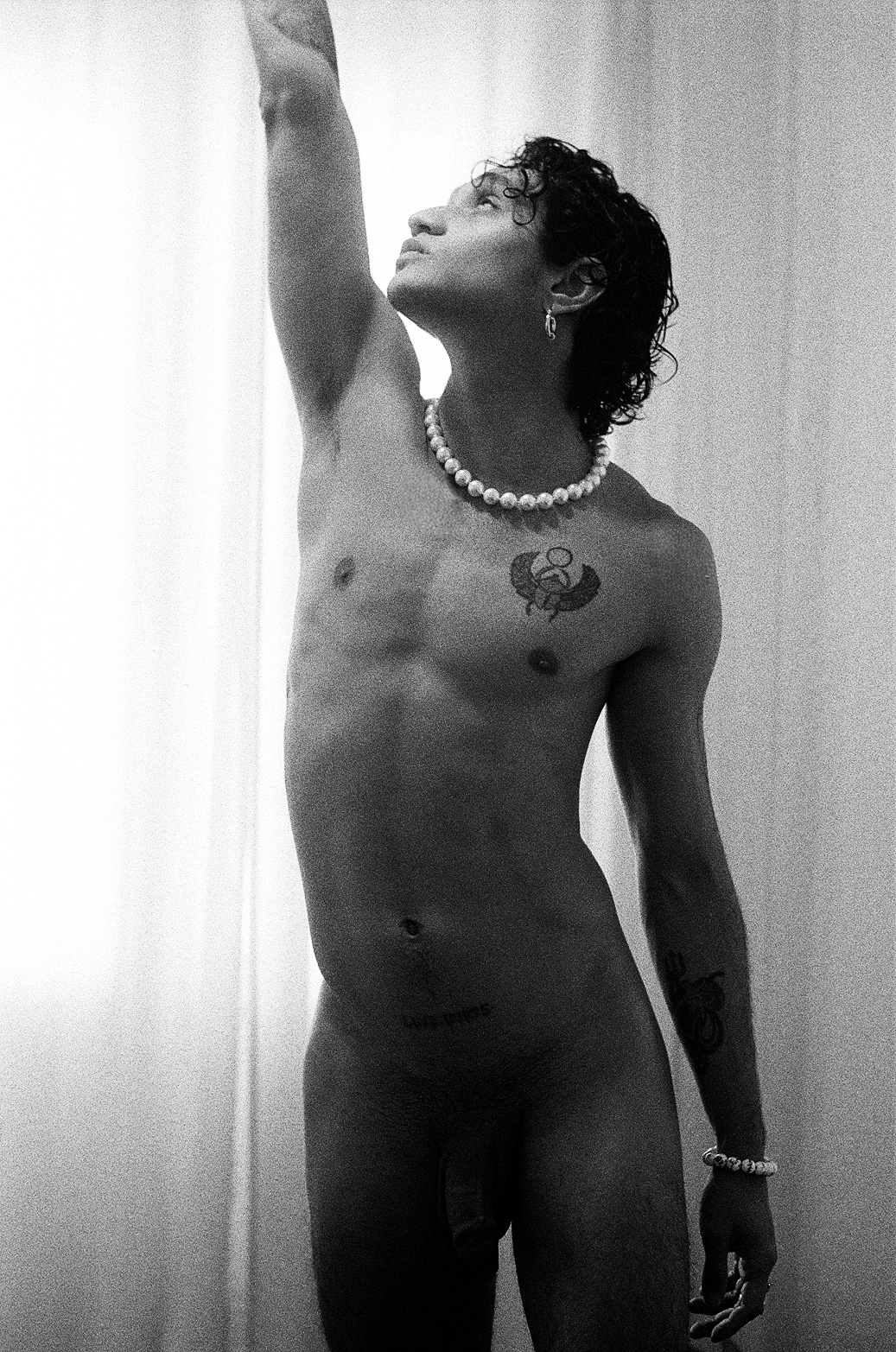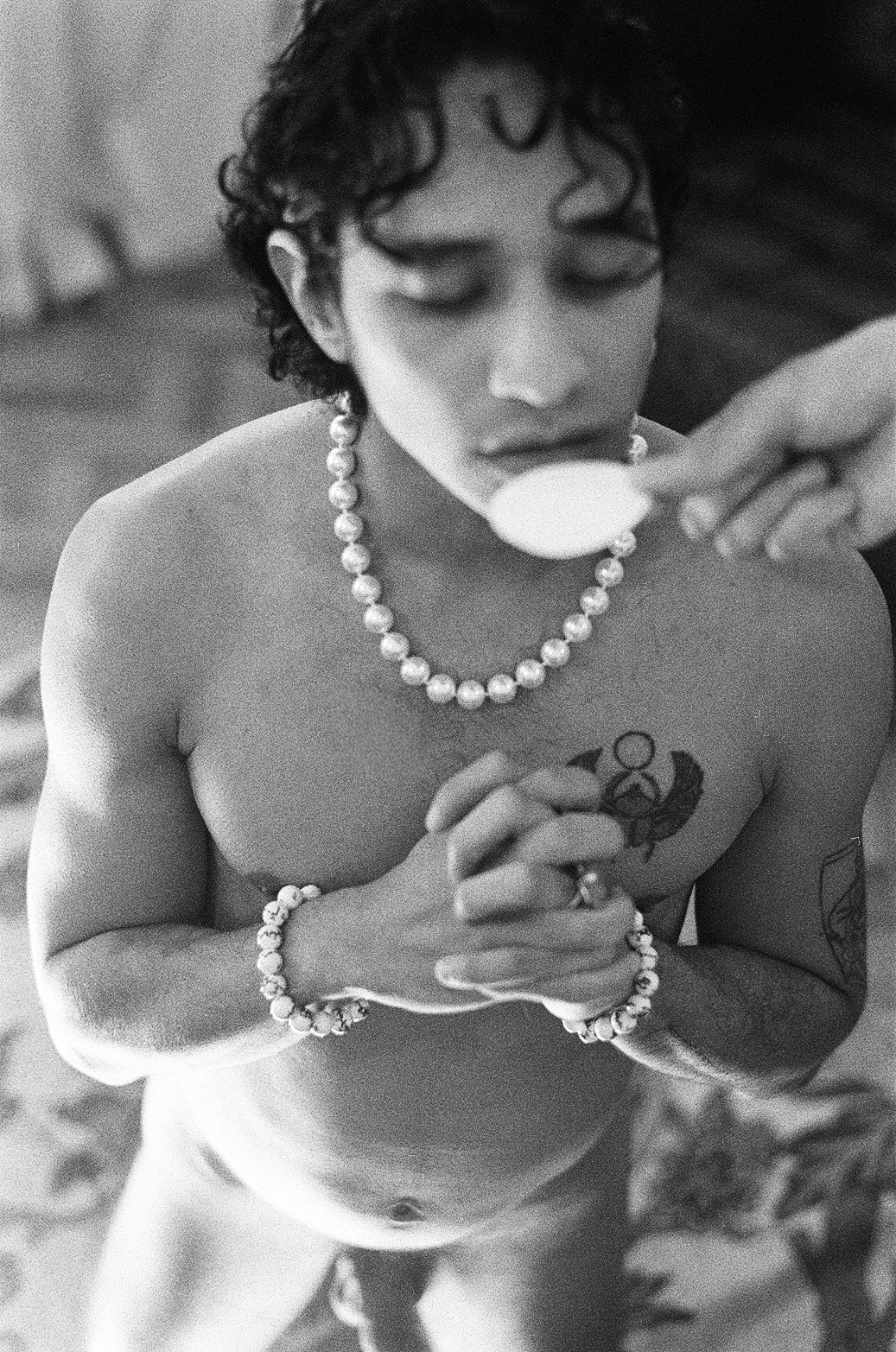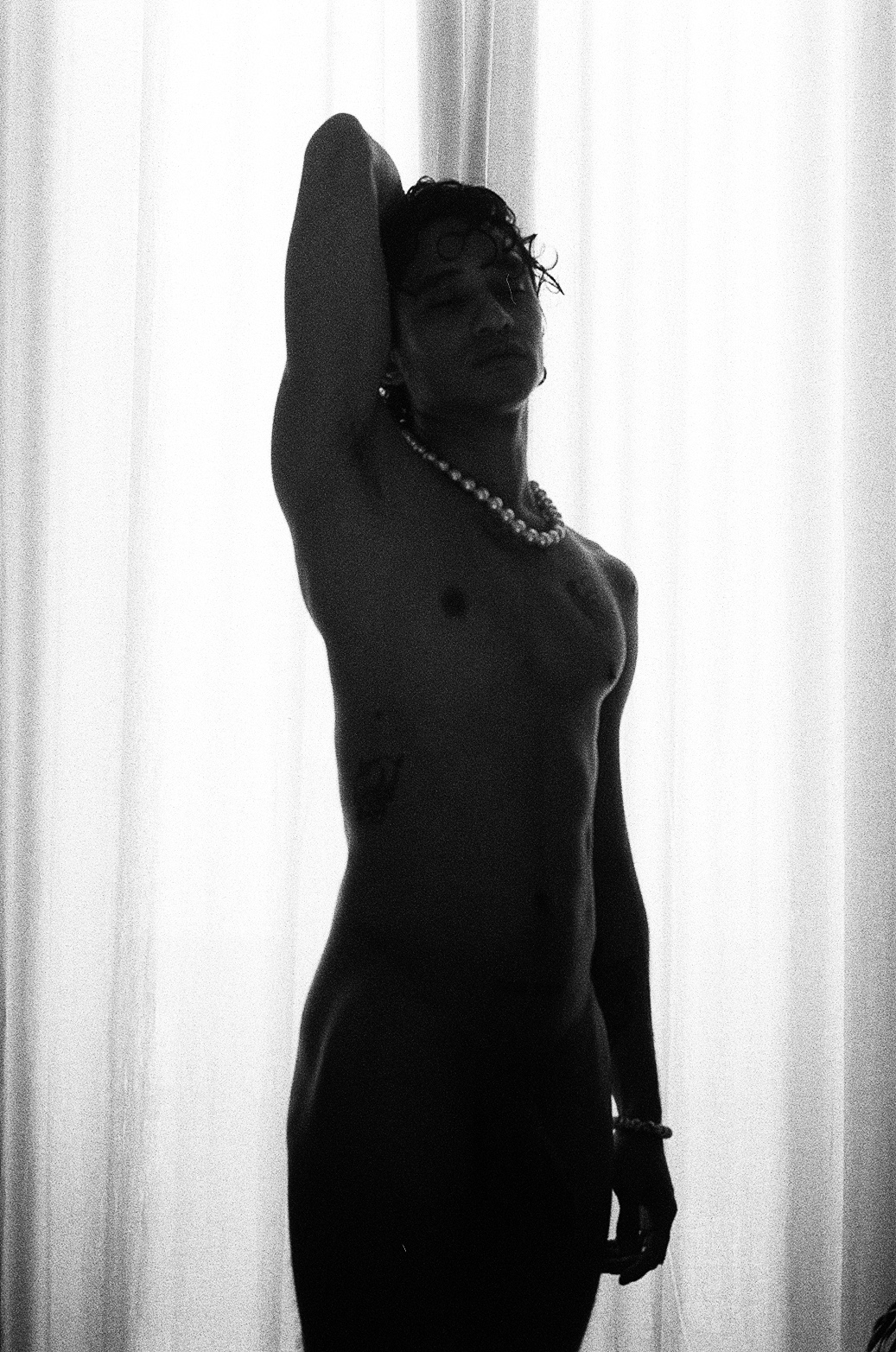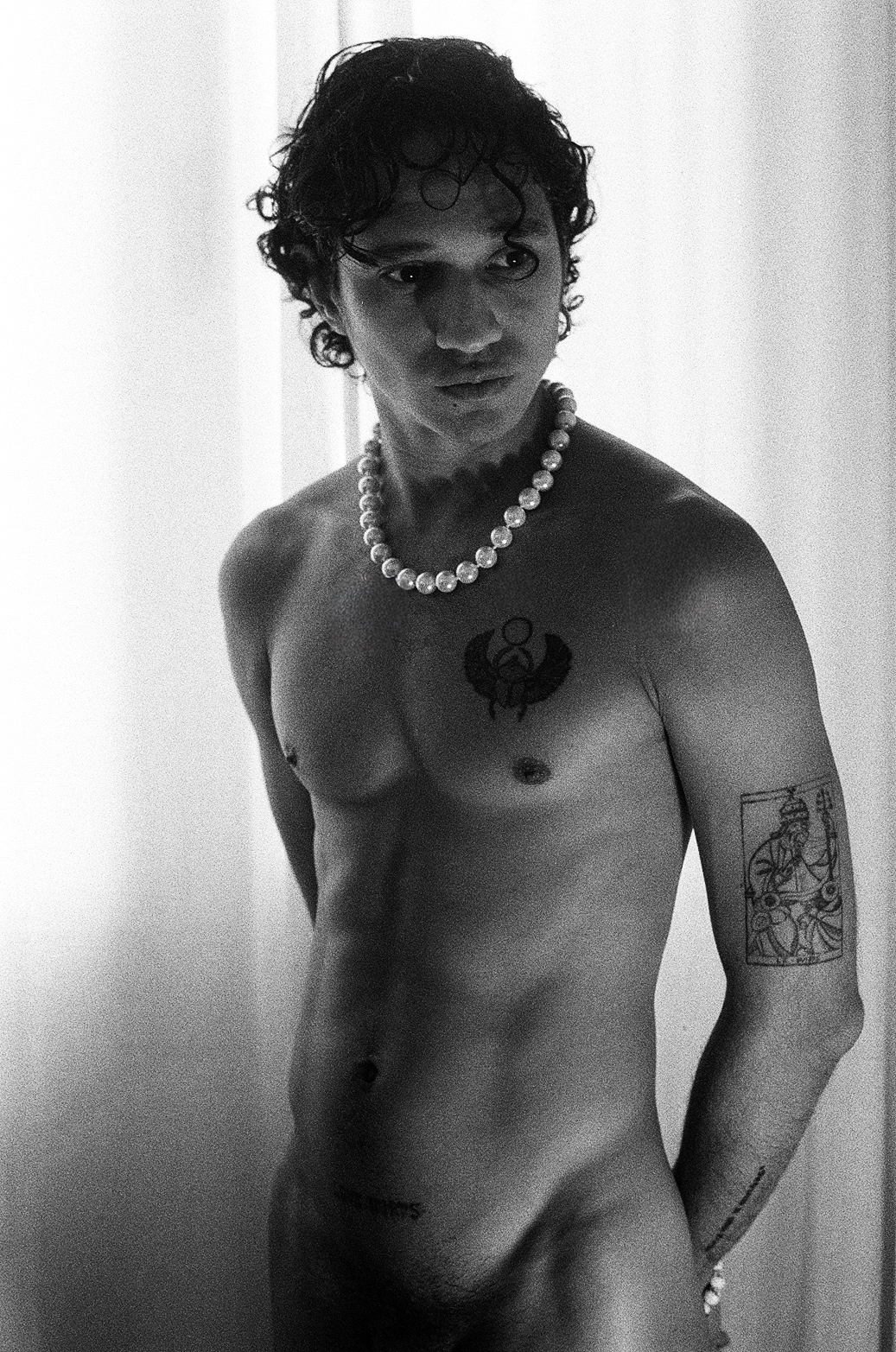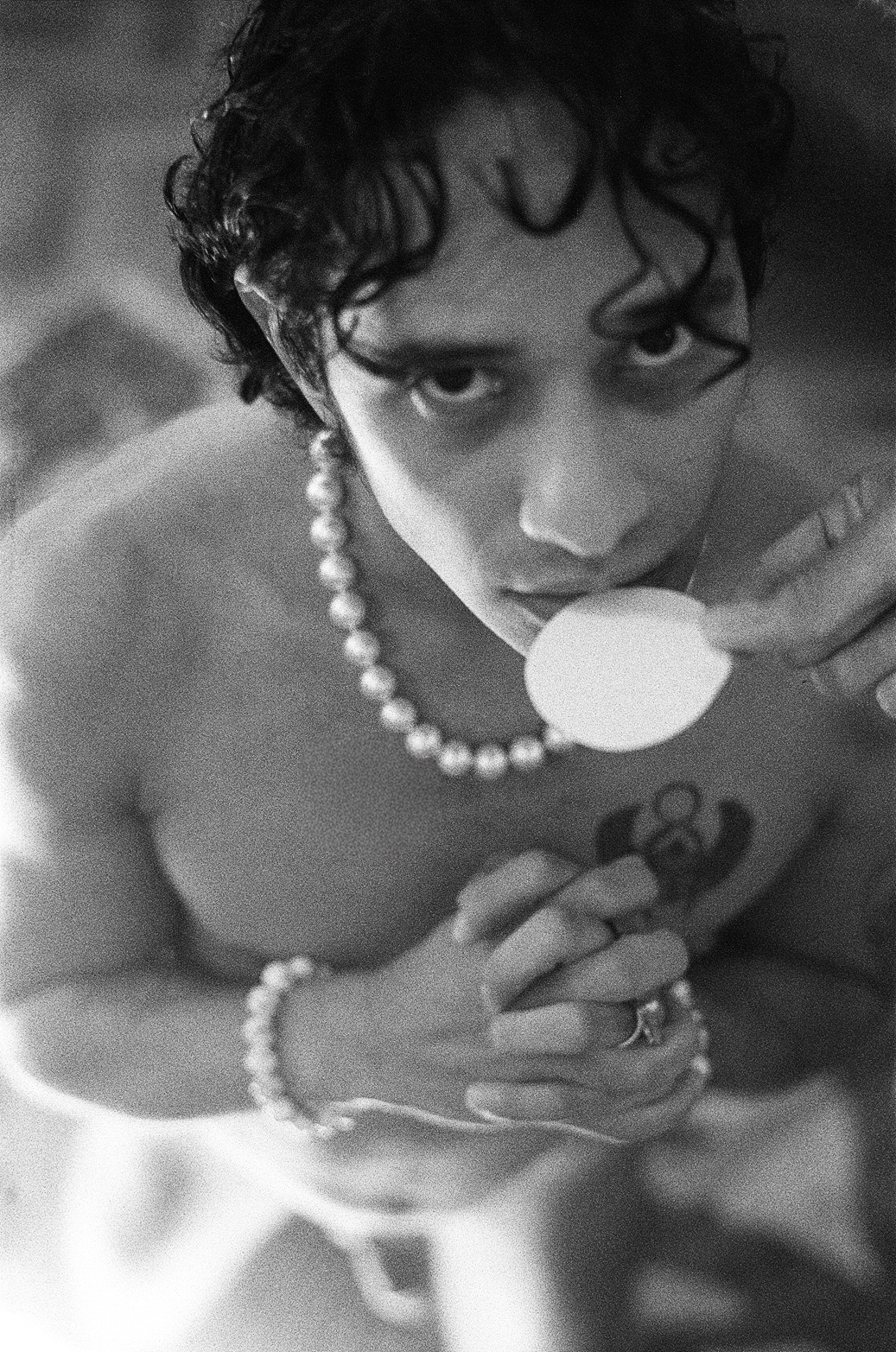

A collaboration and exchange between @andreasdelphos and @gustavorandom.
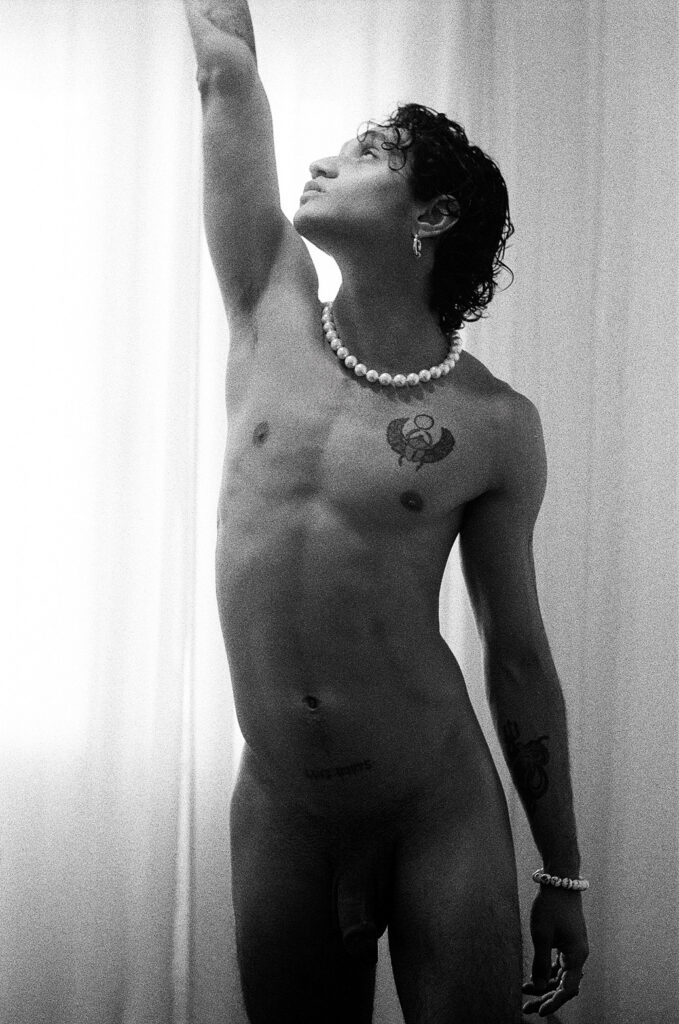
andreas delphos: Light and shadow have always intrigued me. I love strong contrasts held together in one unifying aesthetic. I grew up learning that light represents goodness and divinity. That darkness is the absence of light and therefore implies sin and disobedience. I reject that approach. I embrace light and darkness as both beautiful and good. Each one of us is both light and shadow, existing in constant tension.
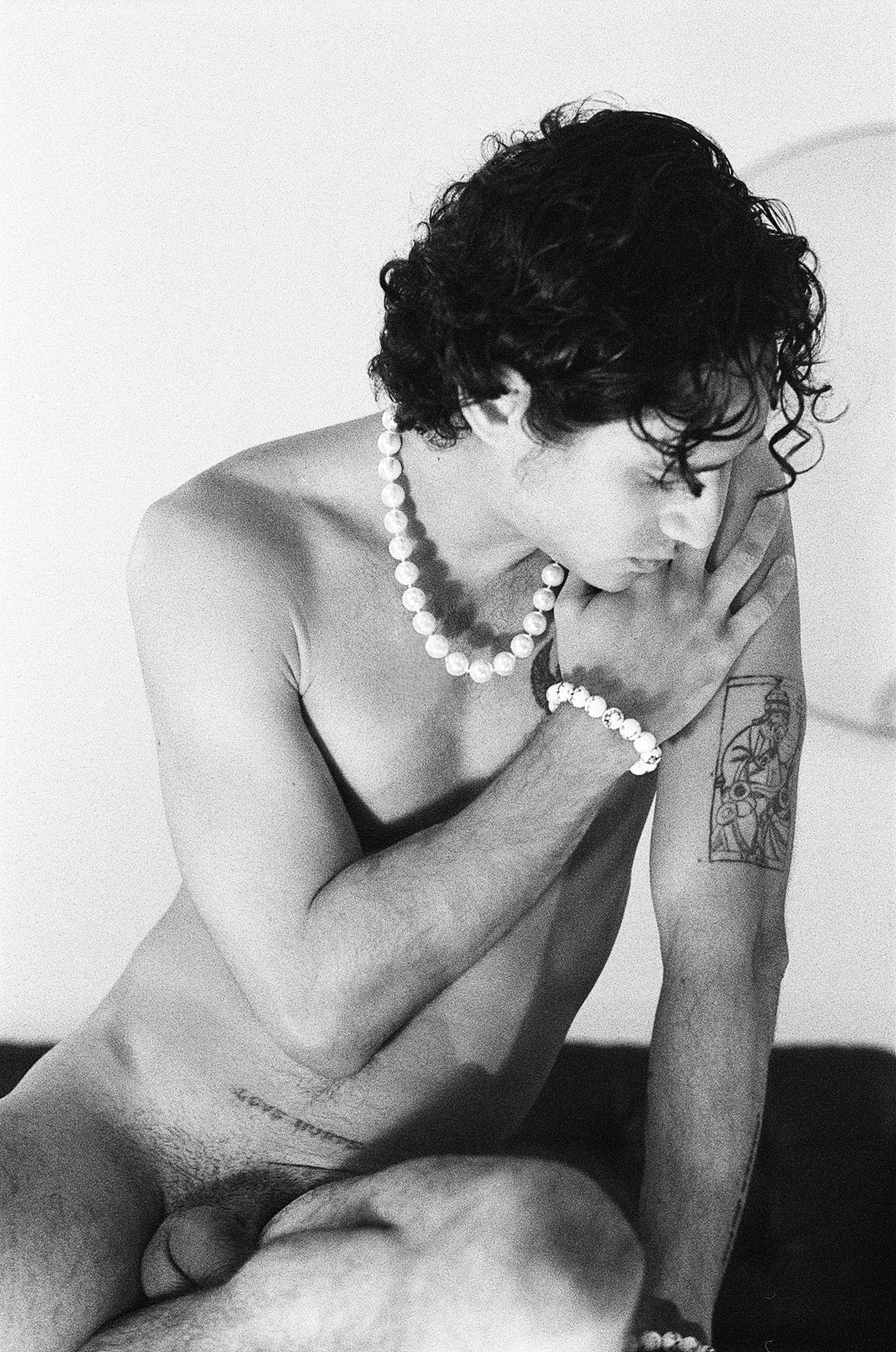
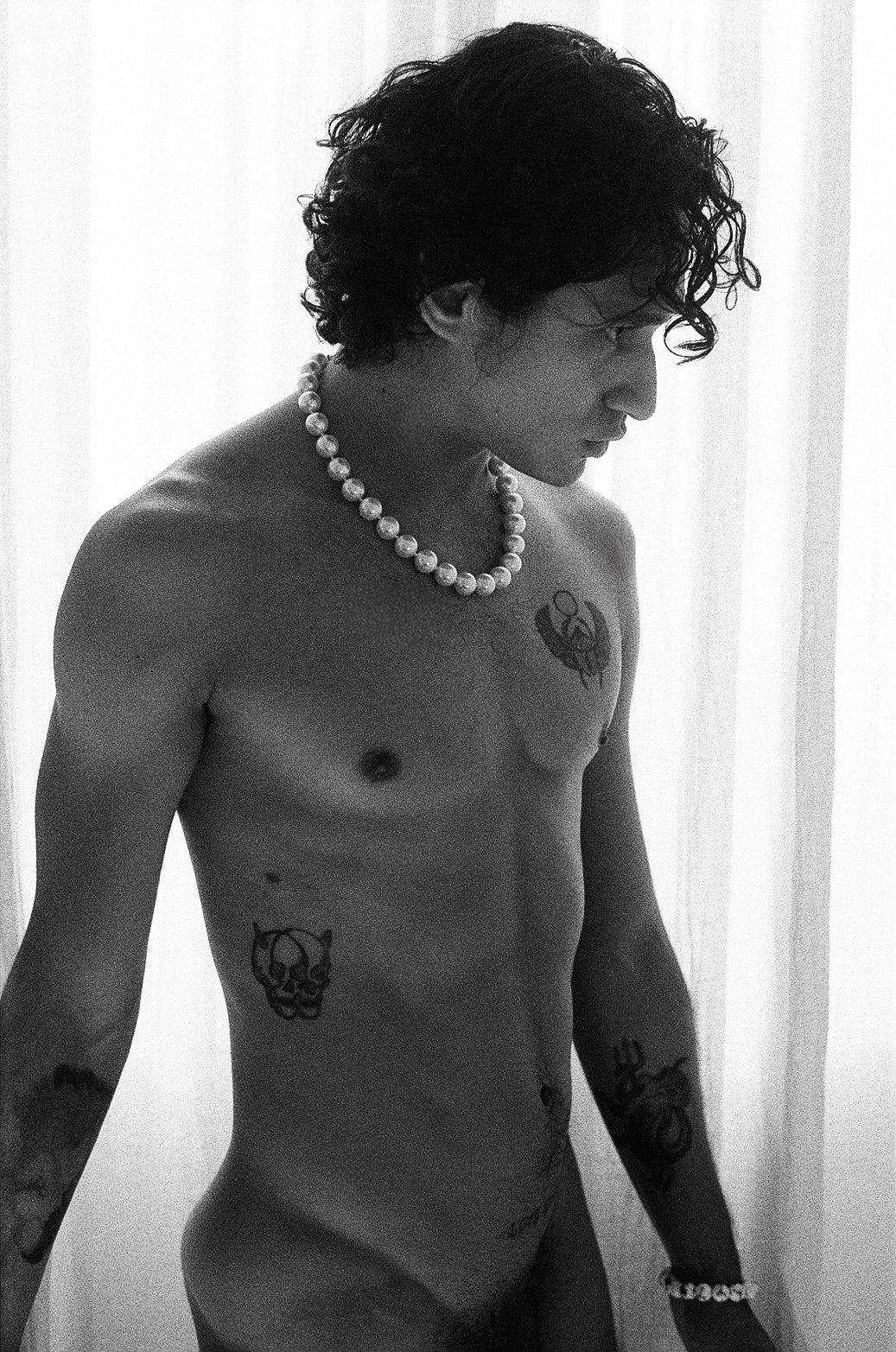
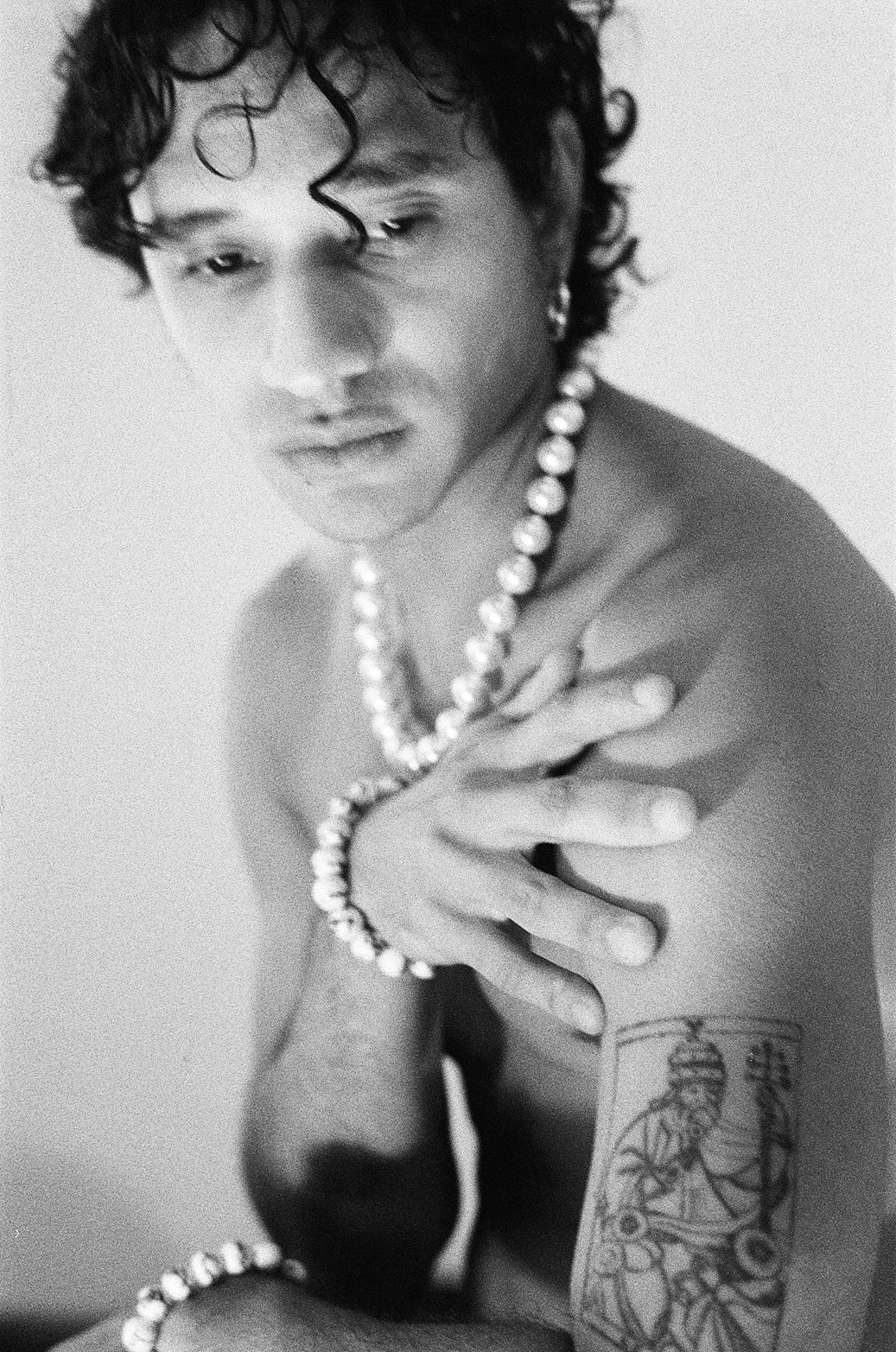
Gustavo Random: For me, the sacred is the most elemental degree of spiritual purity a being can reach. The sacred does not become corrupt; institutions do. If you delegate your bond with “the sacred” to an institution, you will never truly encounter or enjoy the mysteries of the human spirit. You will miss the chance to construct your own understanding of light and shadow by following indoctrinated concepts. True communion with the higher and the lower, with the inner self and the world that surrounds it, is reduced instead to a staged ritual or performance in a temple where you eat and drink both the symbolic body parts and fluids of someone very distant from you. If you reread that last part, we could almost be speaking of communion as “casual sex.”
Andreas Delphos and I have spoken openly of our experiences within Catholicism, and of the way our erotic nature stood in open contradiction to the “light” proclaimed by its dogma. Once our hearts withdrew from the spiritual dictatorship imposed by Catholicism, we found ourselves wholly free to explore eroticism—as an artistic force, as a way of living, and as an object of study.
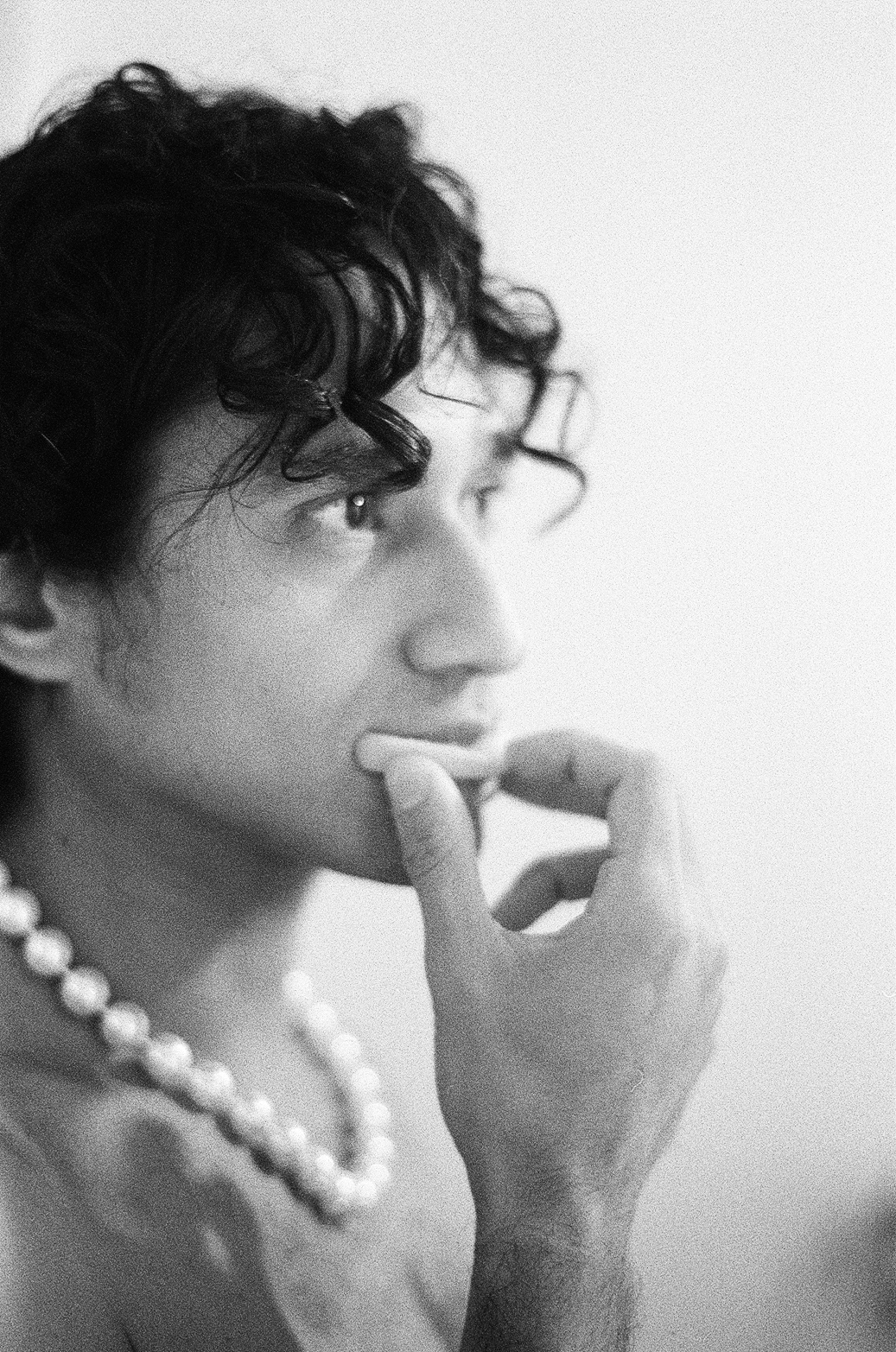
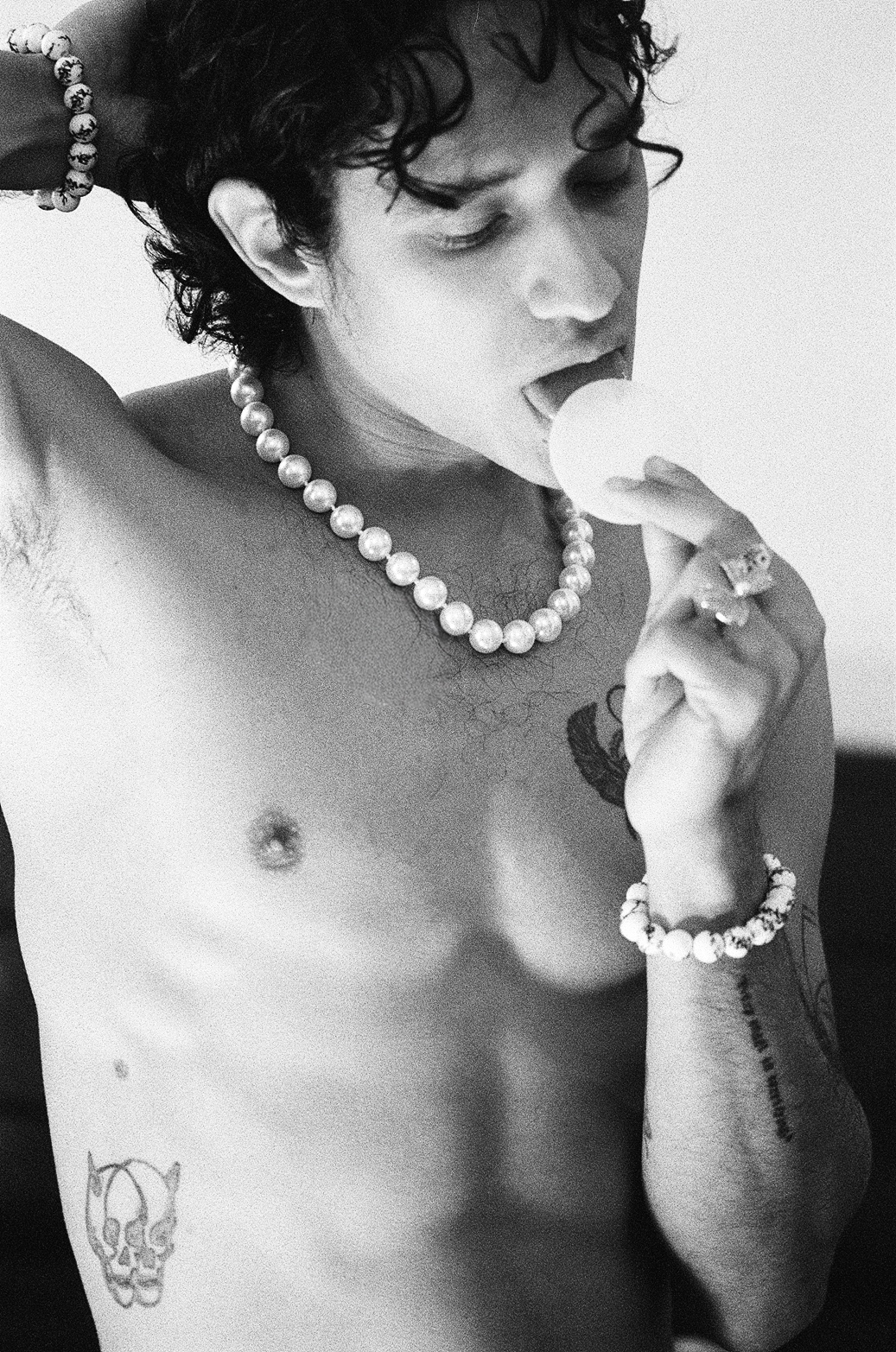
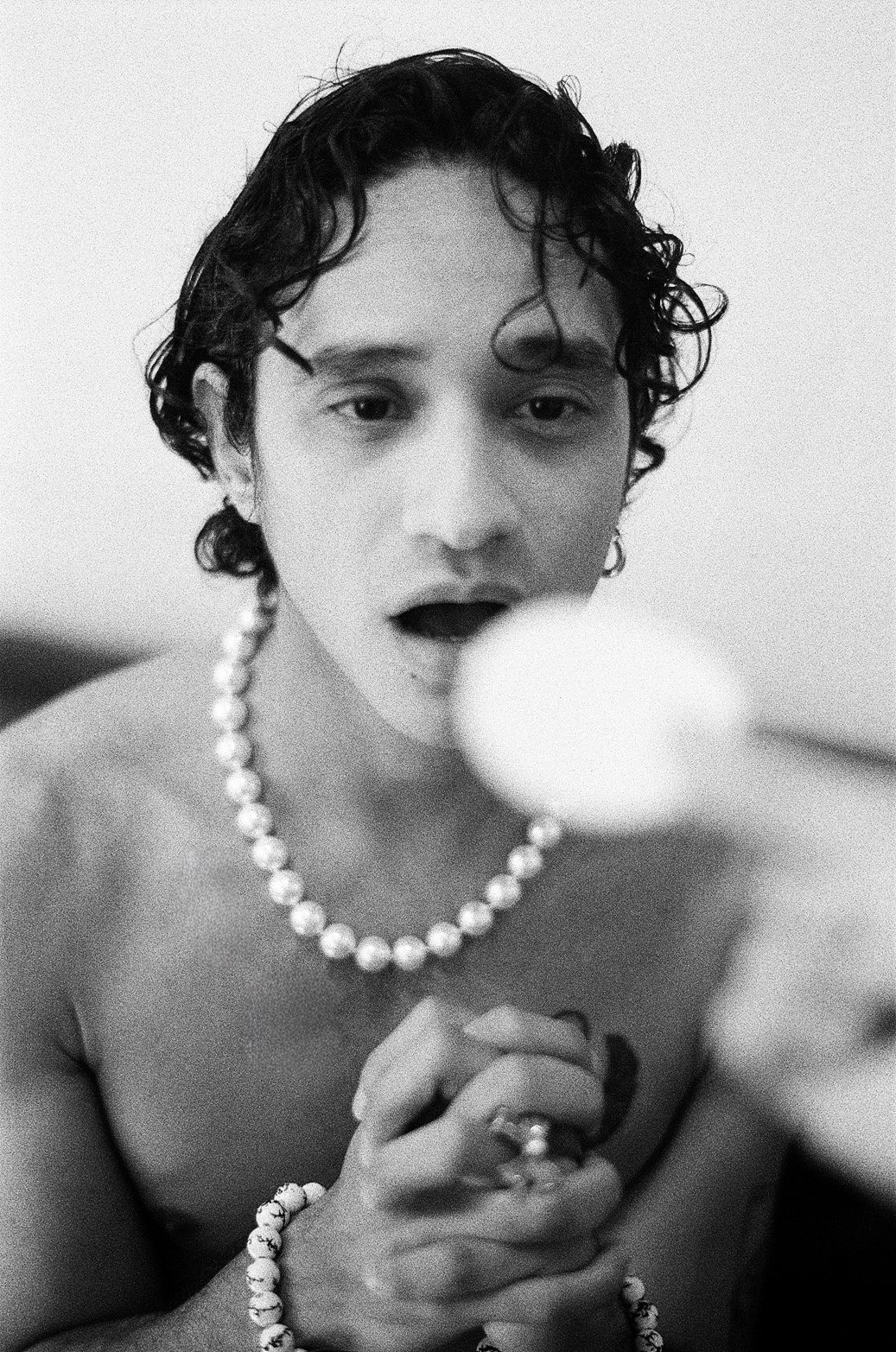
andreas delphos: Gustavo Random and I explored the underlying eroticism present in Catholic ritual. In the imagery surrounding the Eucharist the erotic language is at its peak. The believer often kneels to receive a host, which is proclaimed to be the very body and blood of Jesus Christ. Through a series of intimate gestures the believer worships the consecrated host and then receives it on their tongue and consumes it, becoming in some way one with the body and blood of the one worshiped.
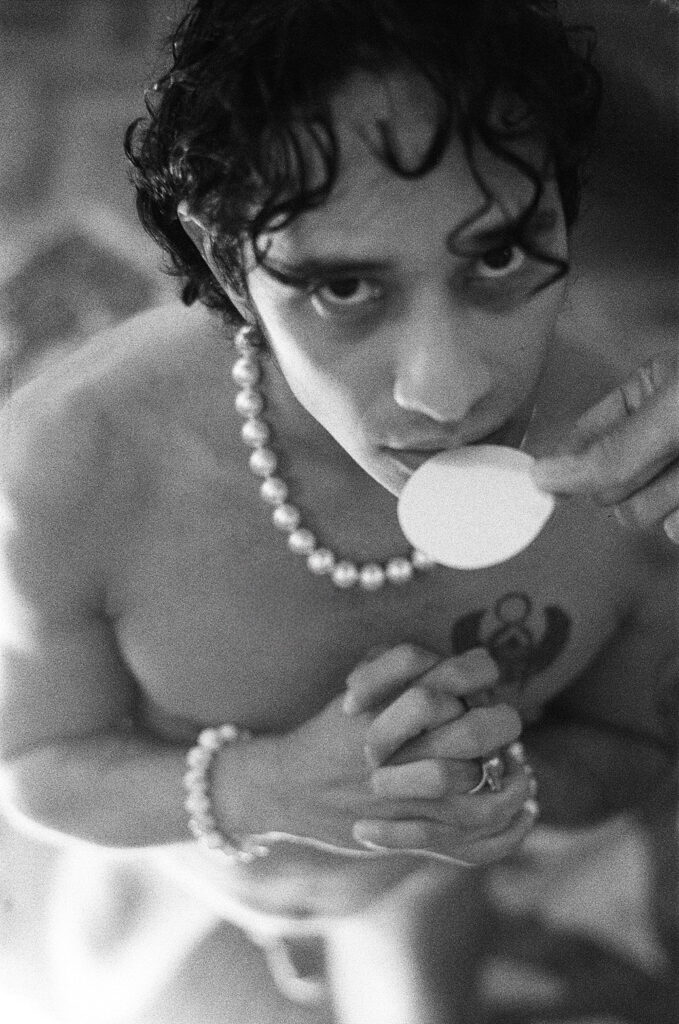
The music that accompanies these gestures are sometimes sensual and evocative. One of those comes from the Psalms: ‘Taste and see that the Lord is good …’ On one level the exhortation to ‘taste and see’ is about transcending the senses, yet the language used is an invitation to embrace them. For me the sacred is not about trying to get beyond the senses. It is instead a full immersion in and abandonment to the sensual and erotic. We wanted to reinterpret and pervert the notion of the sacred that Catholicism gave us. To look at it differently is in some way to gain power over an experience that we both shared. It is extremely freeing.